
Risers that match
Uneven risers are the most common defect in poured steps and the one people trip on. The rise gets divided evenly across the run and formed to it, rather than being fudged at the top step where nobody was measuring.
Service
Grade changes, handled so they stay handled. Steps that are the same height all the way up, and walls that are drained and footed properly so the first serious monsoon does not start moving them.
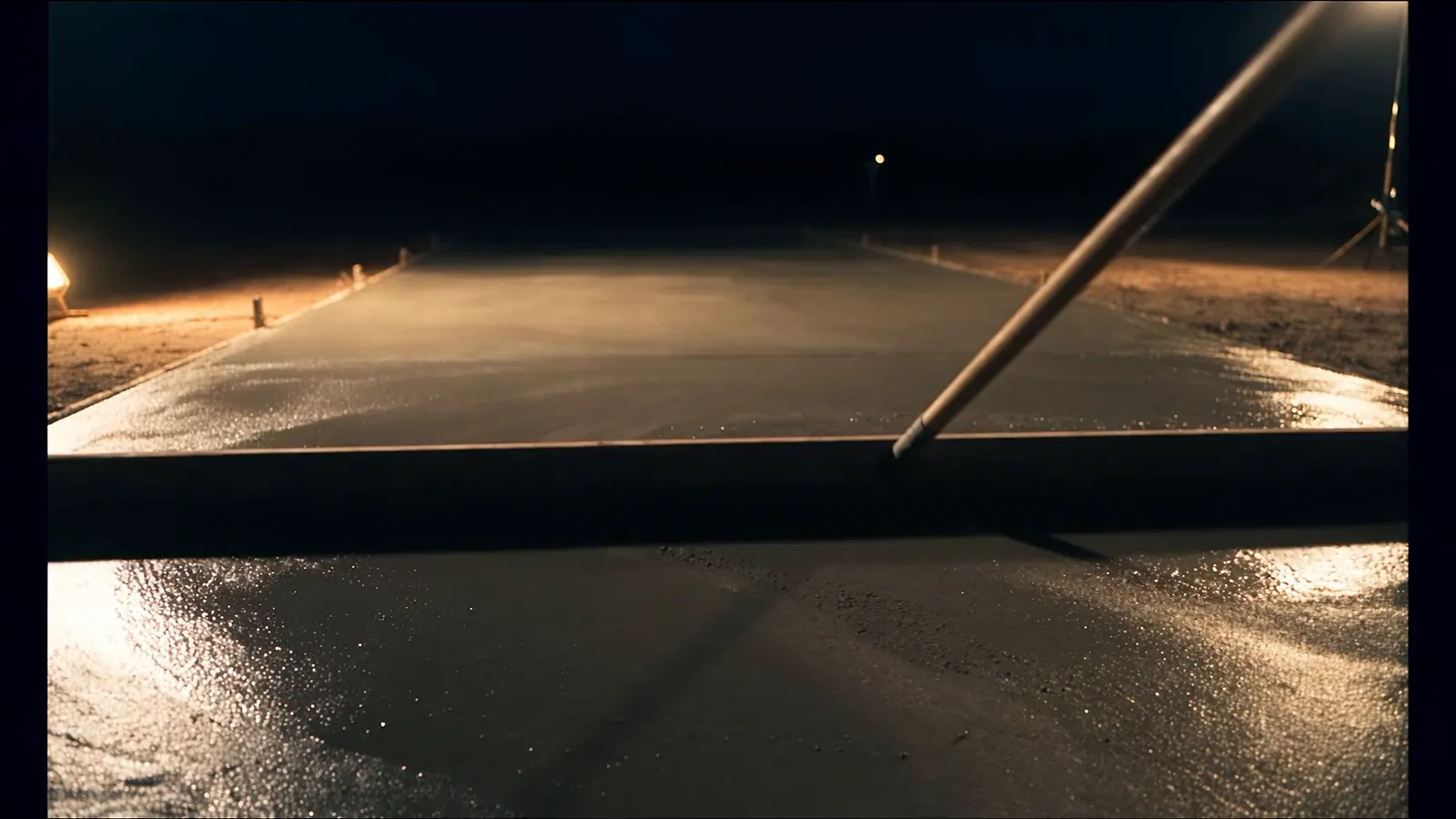
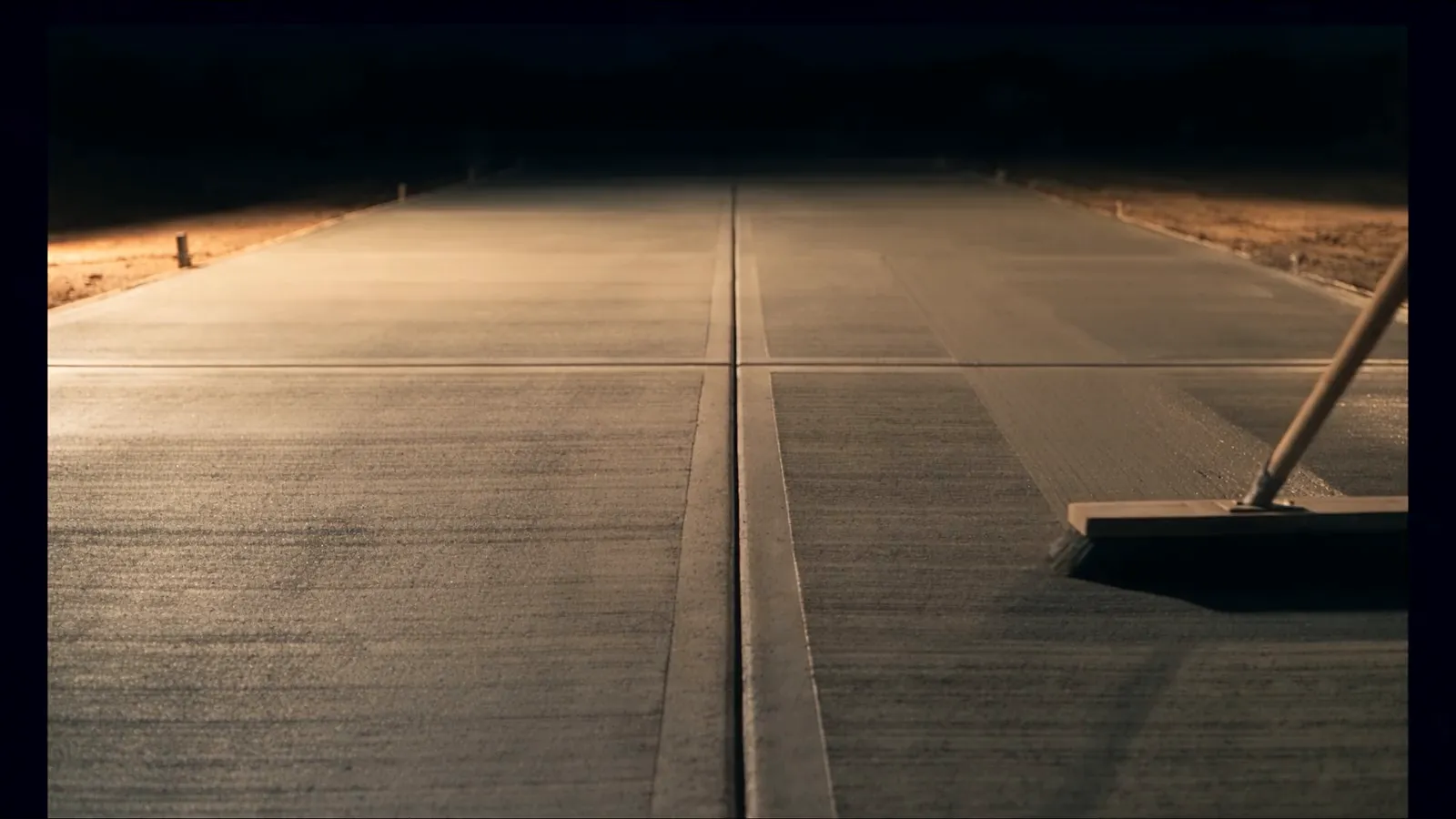
Uneven risers are the most common defect in poured steps and the one people trip on. The rise gets divided evenly across the run and formed to it, rather than being fudged at the top step where nobody was measuring.
A retaining wall holds back soil, and after a storm it holds back water too. Drainage behind the wall, gravel backfill, and weeps through it — without those, water pressure does what gravity alone never manages.
Detail
The residential code caps riser height at 7¾ inches and sets a minimum tread depth of 10 inches, and it also limits how much the risers in a single flight can vary from each other — which is the requirement that gets missed. We set the total rise, divide it evenly, and form to that number.
Footing below grade and sized for the wall and what it holds. Gravel backfill and a drain behind the stem so water has a route out, and weep holes through the face. A wall that is holding saturated soil is carrying a load nobody designed for.
In unincorporated Mohave County, retaining walls four feet or less — measured from the bottom of the footing to the top of the wall — are generally exempt from a building permit, unless they support a surcharge or impound liquids. Above that, or with a driveway or structure loading the top, it needs to be designed. A slope above the wall counts as a surcharge, and that catches people out.
Not everything holding soil back is a structural wall. Seat height walls around a patio, planter edges and low terracing are simpler work and often get poured together with the flatwork they border.
If a rail is going on the steps, the anchor points get set in the pour. Drilling and epoxying into finished concrete afterwards works, but casting it in is better and it costs nothing extra to plan for.
Local conditions
The monsoon season runs June 15th to September 30th, and Mohave County takes roughly 30% of its annual rainfall in that window. It arrives fast. Washes that are dry eleven months of the year run hard for an hour, and on alluvial fans the water spreads out as sheet flow rather than staying in a channel — depths can exceed six inches and the path changes from storm to storm.
That is why drainage behind a wall is not optional here. A wall built dry and backfilled with the same soil it is retaining will hold fine until the first real storm, which is exactly when you find out.
The county's drainage rules have teeth, too. The Mohave County Drainage Design Manual requires that development not increase runoff, divert flows, or back water onto a neighbouring property, and walls and fencing must not obstruct drainage easements. Building in a mapped flood hazard area needs a Floodplain Use Permit — including for walls and fencing, not just buildings.
Questions
In unincorporated Mohave County, generally not if the wall is four feet or under measured from the bottom of the footing to the top, and it is not supporting a surcharge or impounding liquids. Taller than that, or with a slope, driveway or structure loading it, and it needs to be permitted and designed. If it is in a mapped flood hazard area a Floodplain Use Permit applies regardless.
Both work. Poured walls give a monolithic wall and a board-formed or smooth face; block is often quicker and easier on awkward access, and can be faced afterwards. What matters far more than the choice is the footing and the drainage behind it.
We can get close with integral colour or a stain, and closer still if there is an offcut or a photo to work from. An exact match against concrete that has been weathering in Arizona sun for fifteen years is not realistic, and anyone promising it has not tried.
Sometimes, depending on why. If the footing is intact and the problem is drainage, relieving the water pressure and rebuilding the backfill can fix it. If the footing has moved or was never adequate, the wall is telling you it needs to come out. We will tell you which one you have.
Also
Where
Free estimate
Estimates are free and there is no obligation attached to one. If you would rather just talk it through, the phone is faster than the form.
Received
Usually the same day, and always within one working day. If it is urgent, calling is quicker than waiting on us.